
Oral & Dental Surgery
Oral Surgery Procedures
Save a copy or print this leaflet to read at home.
Oral surgery procedures encompass a number of different surgical operations in the mouth and in the jaws. The principles of care are similar for most of these procedures. Small and quick procedures can be undertaken with Local anaesthetic only, whereas others are best done under sedation. Surgical incisions are closed with dissolving stiches and post-operatively it is best to spend the rest of the day at home. You will be advised how long you require off your normal activities.
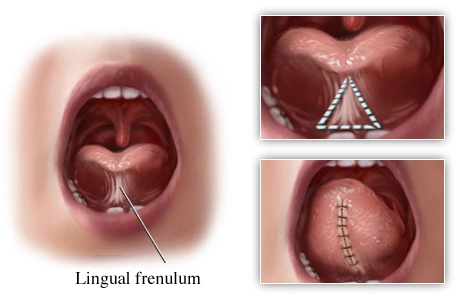
Tongue-tie
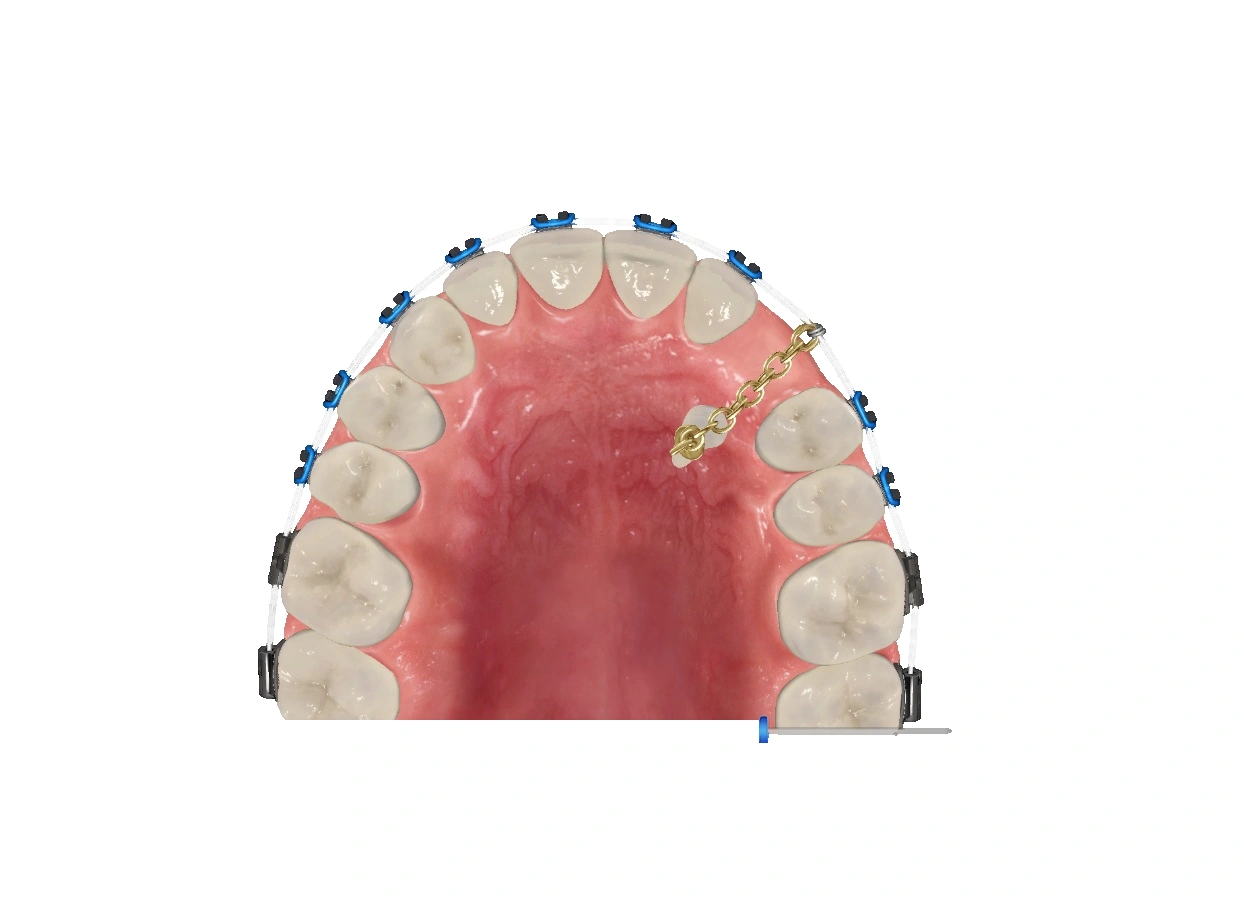
Expose and bond
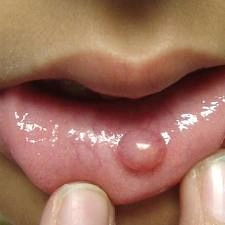
Mucocele
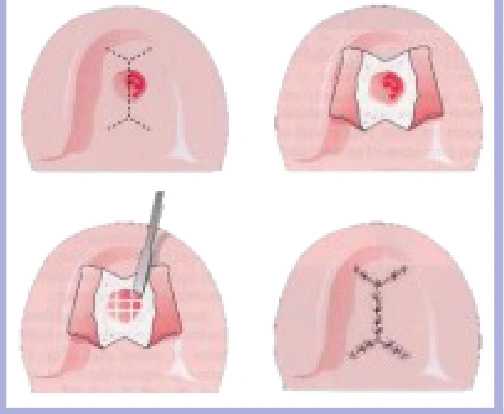
Tori Removal
POSSIBLE COMPLICATIONS OF ORAL SURGERY
Surgical procedures are not without their risks. Although we will go the lengths to minimise risks, complications may still occur. The following are some possible complications that can occur:
- Numbness or altered sensation There are nerves that may be close to your oral surgery site which may become bruised during the procedure. As a result, pain, numbness, tingling and loss of feeling to the teeth, gums, cheeks, lips, chin, tongue and upper or lower jaw may occur. If this occurs it is likely to be temporary and expected to resolve within eight weeks (although in some cases six to eighteen months). In rare cases this may be permanent.
- Infection With any surgical intervention there is a risk for infection. You may have been given a pre-operative dose or course of antibiotics to prevent infection. Please ensure you follow the instructions and complete the full course. Not every patient will require post-operative antibiotics. If following your surgery you experience increased pain or swelling, or delayed healing, please contact your surgeon.
- Difficulty in opening the mouth It is common to experience pain and discomfort when opening your mouth following your oral surgery. The pain in your mouth may trigger clenching and grinding at night in your sleep, causing jaw joint pain. This may take several days to resolve. If jaw joint pain is ongoing following complete healing of your surgical site, contact your surgeon.
POST OPERATIVE INSTRUCTIONS
Remember that a clean and healthy mouth heals more rapidly than a neglected one. Smoking may delay or complicate healing.
Clean your teeth as normal after surgery, being gentle around the site of the operation.
The following steps will help prevent bleeding and relieve soreness:
- REST – Rest for a few hours immediately following treatment and avoid strenuous exercise.
- RINSING – Do not rinse your mouth until the following day. Then for 1 week, rinse your mouth gently after meals using a mouthwash made by dissolving ½ teaspoon of salt in a glass of warm water. Hold the solution in your mouth for 2 minutes and then discard. Avoid over vigorous rinsing.
- FOOD – Avoid HOT food and fluids, alcohol and hard or chewy foods for the first day, then normal diet as tolerated. Choose cool drinks and minced or soft foods, this may be required for the next few days for comfort. Avoid sucking or interfering with the wound.
- BLEEDING – The operated area often oozes blood for up to 8 hours. To help control bleeding, sit upright or rest with the head and shoulders raised. Pressure can be applied to the bleeding area by biting firmly on a gauze pad or clean handkerchief for 15 minutes. Repeat as necessary.
- PAIN – Any pain or soreness can be relieved by taking a pain relieving preparation prescribed by your surgeon. Use any medicines prescribed or supplied according to directions. Teeth next to the operative site may ache for a short time.
- SUTURES – Dissolving stitches (sutures) are routinely placed. These usually loosen and fall out between 5-10 days.
- NUMBNESS – There will be some numbness around the operated area from the local anaesthetic injections for up to 10 hours. Care should be taken with eating and drinking, to avoid damaging the lips while they are numb.
- SWELLING – There may be significant swelling the next day. This usually resolves after 3 days. If there is swelling over the jaw muscles, it can cause a limitation of mouth opening for up to 1 week.
A follow up appointment, if required, will be made on the day of surgery.
If excessive bleeding, undue pain or other symptoms occur, during office hours contact the surgery without delay.
Emergency contact numbers are as follows:
John Bridgman (021) 767 421 Abi Estelle (021) 429 045 Nabeela Ahmed (029) 0203 4431 Brenton Wilson (020) 4134 3529