
Jaw Joint & TMD
Arthrocentesis
Save a copy or print this leaflet to read at home.
WHAT IS ARTHROCENTESIS?
INDICATIONS
An arthrocentesis is performed to reduce the pain, inflammation and restricted opening in a jaw joint. It is not specifically aimed to reduce joint noise but this can also be improved.
PROCEDURE
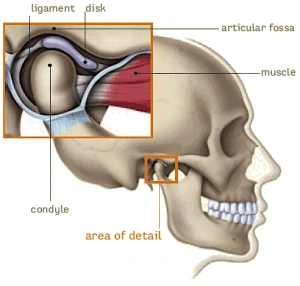
This procedure is done under intravenous sedation. The skin over the joint is sterilised with an antiseptic. Local anaesthetic is administered to the skin overlying the joint and the joint itself. Two needles are then placed into the joint and normal saline is irrigated through the joint to wash out the mediators of inflammation and pain.
A steroid, or cortisone injection is then placed into the joint, which decreases the inflammation over a longer period of time.
POSTOPERATIVE HEALING
It is not uncommon immediately following an arthrocentesis to have a temporary inability to close your eyelid on the side the procedure was carried out. This is entirely temporary and usually wears off after a few hours. If this occurs it is best to avoid dusty environments while the local anaesthetic is working.
The skin overlying the joint will be tender and swollen for several days and there may be a noise of fluid in the joint on chewing for a short time.
A period of six weeks is usually waited until you will be reviewed following this procedure. If a bite splint has been made prior to an arthrocentesis and you find it helpful then this should be worn during this healing period.
After the procedure, eat soft foods and slowly build up to a more chewy diet as tolerated, but avoid causing yourself pain or discomfort.